
Your Path to Primary Teaching: The UK SCITT Programme Explained
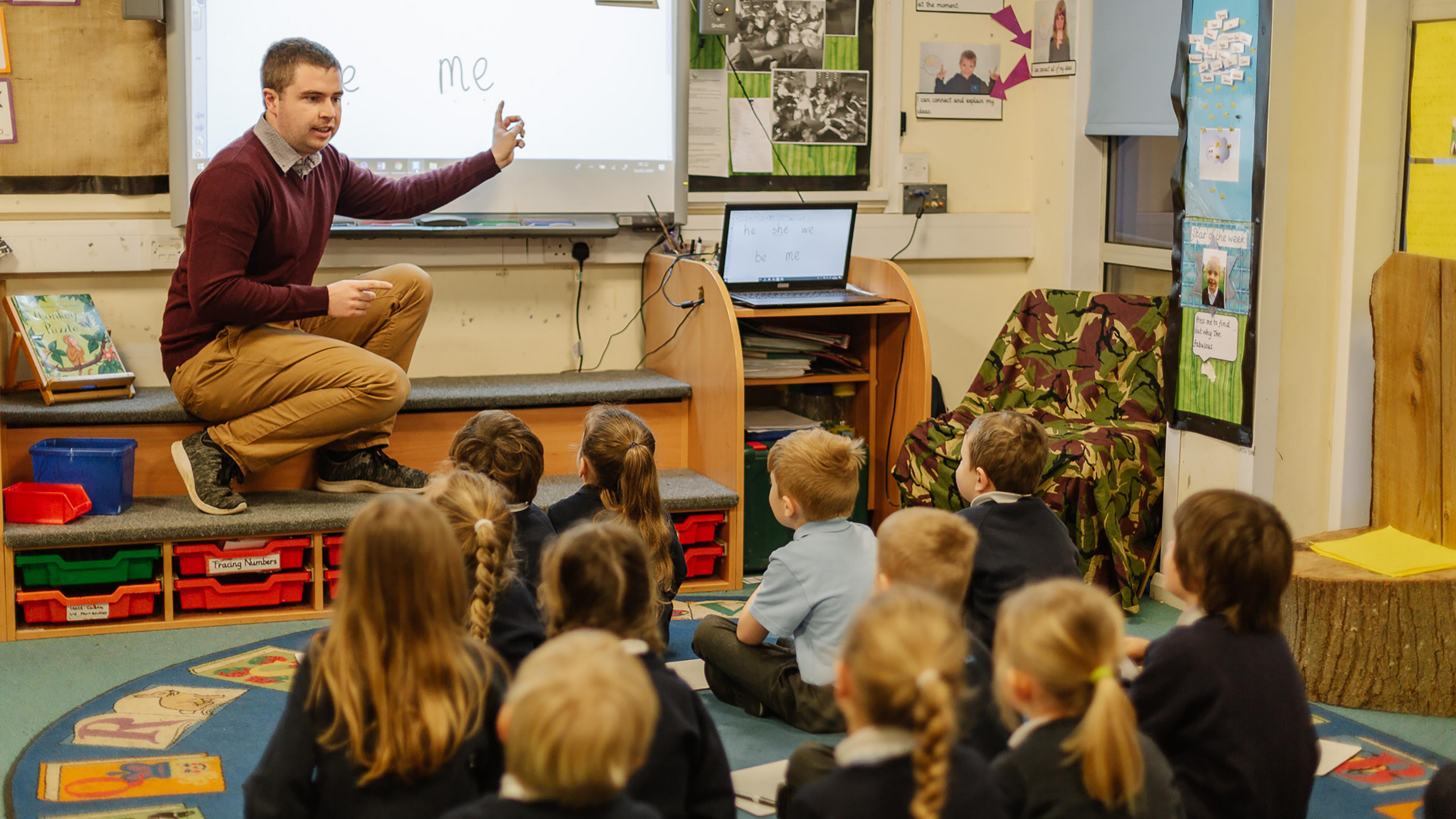
Choosing the SCITT route to become a primary school teacher is a fast-track, hands-on decision that places you directly in the classroom from day one. For graduates eager to dive into the practical world of education, bypassing much of the traditional university lecture hall model, a School-Centred Initial Teacher Training (SCITT) programme offers an immersive, school-based pathway to a rewarding career. This guide explains the SCITT journey, from application to your first teaching role, with a particular eye on how you can develop specialisms in vital areas like maths, financial education, and PSHE.
What is SCITT and Why Choose It for Primary?
SCITT stands for School-Centred Initial Teacher Training. It is a one-year, postgraduate-level programme run by partnerships of schools, often in alliance with an accredited provider or university. Successful completion leads to Qualified Teacher Status (QTS), essential for teaching in state schools in England, and many courses also award a Postgraduate Certificate in Education (PGCE). The defining characteristic of SCITT is its immersive, practical nature; your primary training ground is the classroom itself, allowing you to learn the craft of teaching from experienced practitioners within the vibrant environment of a primary school.
SCITT vs. University-Led PGCE: The Key Differences
While both routes lead to QTS, the emphasis differs significantly. A university-led PGCE typically involves more time spent on campus in lectures and seminars, with teaching placements block-booked throughout the year. In contrast, a SCITT programme is school-centred from the outset. Trainees are often based in a ‘home’ school from day one, observing, assisting, and gradually taking on teaching responsibilities. Theoretical study is directly linked to daily classroom practice, making the learning immediate and contextual.
The Core Benefits for Aspiring Primary Teachers
The SCITT model offers distinct advantages for those targeting primary education. You build relationships with staff and pupils over time, gaining a deep understanding of school life and the primary curriculum. The mentorship is hands-on and continuous, and you develop a professional network within a school alliance from the very start. This immersive experience often means SCITT graduates feel exceptionally ‘classroom-ready’ and confident in managing the diverse, dynamic environment of a primary school.
Entry Requirements and Finding a Primary SCITT
Gaining a place on a primary SCITT programme is competitive, and meeting the entry requirements is the essential first step. It’s crucial to research and apply early, as places are filled on a rolling basis.
Academic and Professional Prerequisites
The standard entry requirements across most providers are consistent:
- A UK bachelor’s degree (or equivalent) at class 2:2 or above.
- GCSEs at grade C/4 or above in English, Mathematics, and Science.
- Passing the professional skills tests in literacy and numeracy (or demonstrating equivalent competency).
- A Disclosure and Barring Service (DBS) check.
- Fitness to teach assessment.
Providers will also look for relevant school experience, a passion for primary education, and the personal qualities suited to teaching.
How to Search for and Select a Primary SCITT Programme
The Department for Education’s ‘Find postgraduate teacher training’ service is the official portal for all SCITT applications. Here, you can search by location, training provider, and subject phase (Primary). Look for programmes that offer a PGCE alongside QTS if academic credit is important to you. Nationally, large providers like TES Institute and Best Practice Network run extensive, well-regarded SCITT consortia across the UK. When selecting, consider the alliance of schools involved, the structure of placements, and any specialisms the provider might offer.
The SCITT Application and Interview Process
Applications for most SCITT courses are submitted via UCAS Teacher Training, following a similar process to university applications. Preparation is key to navigating this stage successfully.
Mastering the UCAS Application
The application requires careful attention. Alongside your qualifications, the personal statement is your chance to shine. You must articulate your motivation for teaching, specifically in a primary setting, and reflect on any school experience. Highlight skills like communication, resilience, and creativity. Crucially, link your reflections to the Teachers’ Standards and demonstrate your understanding of the primary curriculum and the rewards and challenges of working with young children.
Acing the Primary School Interview Day
If shortlisted, you’ll attend an interview day at the lead school or provider. This typically involves a formal interview panel, a short presentation or literacy/numeracy task, and often a practical classroom element. You might be asked to conduct a short lesson observation task with a small group of pupils, read a story, or lead a learning activity. This tests your ability to engage children and think on your feet. Come prepared to discuss current educational topics, such as the importance of financial education or phonics teaching.
Your SCITT Training Year: A Typical Primary Journey
The SCITT year is intensive, rewarding, and structured to gradually build your competence and confidence as a primary practitioner.
Phased Classroom Placement and Mentorship
Your year will usually begin with an induction period and intensive training days before moving into your main placement school. Responsibility is phased: you might start by observing, then planning and teaching parts of a lesson, leading to taking on the full class for sustained periods. A second, contrasting placement in a different school is standard to broaden your experience. Throughout, you are supported by a dedicated in-school mentor and a visiting tutor from the SCITT provider, who observe your teaching and guide your development against the Teachers’ Standards.
Balancing Teaching Practice with Academic Study
Alongside teaching practice, you will undertake directed study to develop your subject knowledge (particularly in core areas like maths and English) and pedagogical understanding. This might involve twilight sessions, training days, and assignments linked to your practice. If your course awards a PGCE, you will complete academic modules at Master’s level, often in partnership with a university. Effective time management is essential to juggle lesson planning, teaching, marking, and your own study.
Specialising Your Practice: Maths, Finance and PSHE
A significant advantage of the SCITT year is the opportunity to develop a specialism or particular passion within primary teaching. This is where you can align your practice with key contemporary needs, such as financial literacy and personal wellbeing.
Innovative Maths Teaching with Real-World Contexts
Mathematics is a core subject where engagement is key. A SCITT placement allows you to experiment with innovative approaches, such as using probability games to teach maths. For example, using dice or card games to explore chance, data collection, and fractions makes abstract concepts tangible and engaging. This not only demystifies maths but also provides a natural, age-appropriate segue into discussions about numbers and risk, laying early foundations for financial understanding.
Weaving Financial and Gambling Awareness into Primary PSHE
Financial education is a statutory part of the Citizenship curriculum in England, and its principles are effectively delivered through PSHE. Your SCITT training is the perfect time to explore how to integrate these vital lessons. Using resources from accredited organisations like Young Money, you can plan lessons on money management, saving, and distinguishing between needs and wants. For older primary pupils, this can carefully extend to discussions about risk and the mathematics behind gambling, framing it within a context of financial responsibility and the importance of informed choice. This proactive approach aligns with PSHE guidance on keeping children safe from future harm.
Life After SCITT: QTS, ECT Years and Career Progression
Successfully completing your SCITT programme marks the beginning of your teaching career, not the end. The award of Qualified Teacher Status (QTS) is your professional licence to teach.
Transitioning into Your ECT Induction Period
Your first teaching post will see you enter the Early Career Teacher (ECT) framework, a mandatory two-year induction period following the award of QTS. This structured programme provides continued support with a dedicated mentor, reduced teaching timetable for professional development, and formal assessments at the end of each year. It is designed to build on the foundations of your SCITT training and ensure you are fully supported as you establish yourself in your first teaching role.
Building a Fulfilling Primary Teaching Career
With QTS secured and your ECT induction completed, a wealth of opportunities opens up. You can progress within your school to roles such as subject leader (e.g., for Mathematics or PSHE), phase leader (Key Stage 1 or 2), or into pastoral care. Many teachers pursue further study, such as a National Professional Qualification (NPQ), to move into senior leadership. The specialisms you nurture during your SCITT, like expertise in financial education, can become your unique professional contribution, shaping a meaningful and impactful career in UK primary education.
Embarking on a SCITT programme is a commitment to practical, impactful teacher training that prepares you uniquely for the vibrant challenges and rewards of a UK primary classroom. From the immersive first day in school to developing your own teaching signature, it is a demanding yet profoundly rewarding journey to becoming an outstanding teacher.